

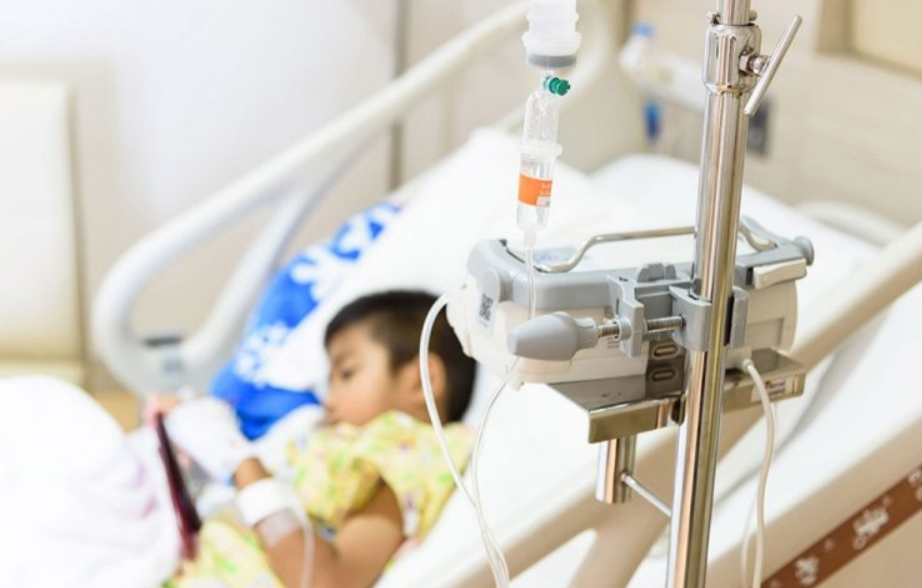
When a child gets sick or injured, most parents focus on one thing: getting help fast. A high fever in the middle of the night, a fall at school, or stomach pain that will not go away triggers the same instinct every time. Find care. Now.
In that rush, there is one important detail many parents do not think about:
Not all hospitals are built for children.
A general hospital may treat patients of every age, from newborns to older adults. A specialized children’s hospital, on the other hand, is designed entirely around the medical, emotional, and developmental needs of infants, toddlers, children, and teenagers.
That difference is not just technical. It can matter more than you realize.
Children Are Not Just Small Adults
It sounds obvious, but in stressful moments it is easy to forget.
Children’s bodies are still developing. Their immune systems respond differently from adults. Their organs are maturing. Medication dosing is more complex and must be carefully adjusted by weight and age. Even symptoms can look very different in a child than in an adult.
Consider a toddler with a serious infection. An adult might clearly describe sharp pain or point to exactly where it hurts. A toddler might simply be unusually irritable, clingy, or refuse to eat. To someone who mainly treats adults, that might look like a bad mood. To a pediatric specialist, it can be a sign that something serious is going on.
Breathing problems are another example. In infants and young children, respiratory difficulties can escalate much faster than in older kids or adults. A baby who seems only mildly unwell can deteriorate in a short period of time. Dehydration during vomiting or diarrhea also develops more quickly in younger children, because their bodies are smaller and have less reserve.
Pediatric specialists are trained specifically to recognize these age-related patterns. They learn how childhood physiology changes from birth through adolescence and how diseases present differently at each stage. They do not just copy adult treatment plans and adjust the dose. They use protocols designed for growing bodies.
That depth of training reduces the risk of missed or delayed diagnoses and improves the chances of getting the right care at the right time.
Pediatric Specialists Focus Only on Children
In a general hospital, one physician might move from treating heart disease in an adult to managing appendicitis to seeing a child with a fever, all in one day.
In a children’s hospital, the focus is much narrower. Pediatricians and pediatric subspecialists care exclusively for younger patients.
You will find experts in areas such as:
- Pediatric cardiology
- Pediatric neurology
- Pediatric surgery
- Pediatric infectious disease
- Neonatology
- Pediatric emergency medicine
These specialists are trained not only in disease management but also in how conditions appear and progress in children at different ages. A pediatric anesthesiologist, for example, understands how anesthesia affects a child’s developing brain and metabolism. A pediatric radiologist is trained to interpret imaging differently for growing bones and organs. Pediatric surgeons plan operations with both today’s needs and tomorrow’s growth in mind.
When the entire care team is dedicated to children, they build a kind of pattern recognition that only comes from seeing pediatric cases all day, every day. That level of focus improves precision and safety.
Emergency Care Designed for Kids
Emergencies are often where the gap between general and specialized care becomes most visible.
A child with respiratory distress needs equipment, medication calculations, and response protocols tailored to pediatric standards. Airway size, for instance, varies dramatically between an infant, a school-age child, and a teenager. There is no “one size fits all.”
Children’s hospitals are equipped with:
- Pediatric-sized ventilators and airway tools
- Medication dosing systems calibrated for weight-based treatment
- Staff trained in pediatric resuscitation and emergency care
- Child-specific trauma and stabilization protocols
The environment itself is also different. Pediatric emergency units are often designed to reduce fear, with calmer spaces and child-friendly visuals. A less intimidating setting helps children stay more cooperative, which allows staff to examine and treat them faster and more effectively.
When minutes matter, being prepared specifically for children can change the outcome.
Advanced Neonatal and Infant Care
Newborns and premature infants have highly specialized needs that go beyond standard maternity care.
Neonatal intensive care units (NICUs) within children’s hospitals are built to manage:
- Prematurity and low birth weight
- Congenital conditions present at birth
- Respiratory distress and lung immaturity
- Metabolic and genetic disorders
These units are staffed by neonatologists and nurses trained in newborn critical care. The equipment is extremely precise, the monitoring is constant, and treatment plans are tailored to babies who may have been born weeks or months earlier than expected.
While many general hospitals safely manage routine deliveries, a dedicated pediatric facility often provides a higher level of support when complications arise. For families navigating complex situations after birth, that expertise can be life-changing.
A Child-Centered Environment Reduces Trauma
Medical care is not only physical. It is emotional, especially for children.
Hospitals can be intimidating places. For kids, fear can make everything harder. It can increase pain, reduce cooperation, and leave lasting memories.
Specialized children’s hospitals are intentionally designed to reduce psychological stress, with features such as:
- Child-friendly interiors and artwork
- Playrooms and distraction tools
- Nurses and child life specialists trained in calming and explaining procedures
- Family-centered care models that encourage parent presence
Allowing parents to stay nearby whenever possible, using age-appropriate language, and offering familiar comforts help children feel safer. When fear decreases, cooperation improves, procedures are smoother, and recovery can be more comfortable.
It is not just about making the hospital look nice. It is about supporting emotional well-being as part of medical care.
Complex Conditions Need Coordinated Pediatric Teams
Some children live with chronic or complex conditions that affect multiple parts of the body. Examples include:
- Congenital heart disease
- Childhood cancers
- Autoimmune disorders
- Developmental neurological conditions
- Severe asthma and chronic lung disease
- Genetic syndromes
These conditions often require input from many specialists. Children’s hospitals are structured around coordinated, multidisciplinary care. Pediatric surgeons, oncologists, cardiologists, neurologists, radiologists, nutritionists, and rehabilitation therapists work together within one integrated system.
This team-based approach reduces fragmented care. Families are not left to connect the dots between separate clinics and hospitals. Instead, the care plan is unified and shared, which supports better long-term management and follow-up.
Medication Safety and Dosing Precision
Medication errors are more dangerous in children because dosing depends on body weight, age, and organ maturity. A small miscalculation can have a much larger impact on a small body.
Children’s hospitals use pediatric-specific dosing protocols and pharmacy systems designed to minimize risk. Pharmacists trained in pediatric medicine review prescriptions with an eye toward child safety. Automated systems, double-check procedures, and clear guidelines help ensure that each dose is appropriate for that particular child.
In high-stakes situations such as severe infections, surgery, or intensive care, that level of precision becomes an important layer of protection.
Research, Innovation, and Long-Term Development
Many specialized children’s hospitals also serve as centers of pediatric research and innovation. They contribute to advances in:
- Vaccines and infection prevention
- Pediatric surgical techniques
- Treatments for childhood cancers
- Management of genetic and metabolic conditions
- Understanding developmental health and outcomes
Because children are still growing, treatment decisions must consider long-term development, not just immediate survival. Pediatric specialists think about how today’s surgery, medication, or therapy will affect a child’s future physical and cognitive growth.
A procedure that is acceptable in an adult may have different long-term implications in a child whose bones, brain, and organs are still maturing. Pediatric teams evaluate risk with that long view in mind.
When Does It Matter Most?
Specialized pediatric care is especially important when:
- A child has persistent, unexplained, or worsening symptoms
- A diagnosis involves complex organs or multiple systems
- Surgery or intensive care is required
- Developmental concerns are present
- Emergency symptoms appear suddenly or escalate quickly
Routine, minor issues can often be handled in general settings, but higher-risk situations benefit from pediatric-focused expertise, equipment, and systems.
Final Thoughts
Many parents assume that any hospital can treat a child effectively. For simple, straightforward problems, that may be true.
But when a situation becomes complex, urgent, or uncertain, the difference between general care and specialized pediatric care becomes significant.
Children are developing human beings with unique physiology, emotional needs, and long-term health trajectories. Their medical care deserves systems built specifically around those realities.
Choosing a specialized children’s hospital is not about prestige. It is about safety, precision, and a care environment designed entirely for young patients and their families.
If you are seeking advanced pediatric care in Thailand, you can learn more about services available at Samitivej Children’s Hospital in Bangkok, a dedicated facility focused exclusively on comprehensive care for infants, children, and adolescents.