

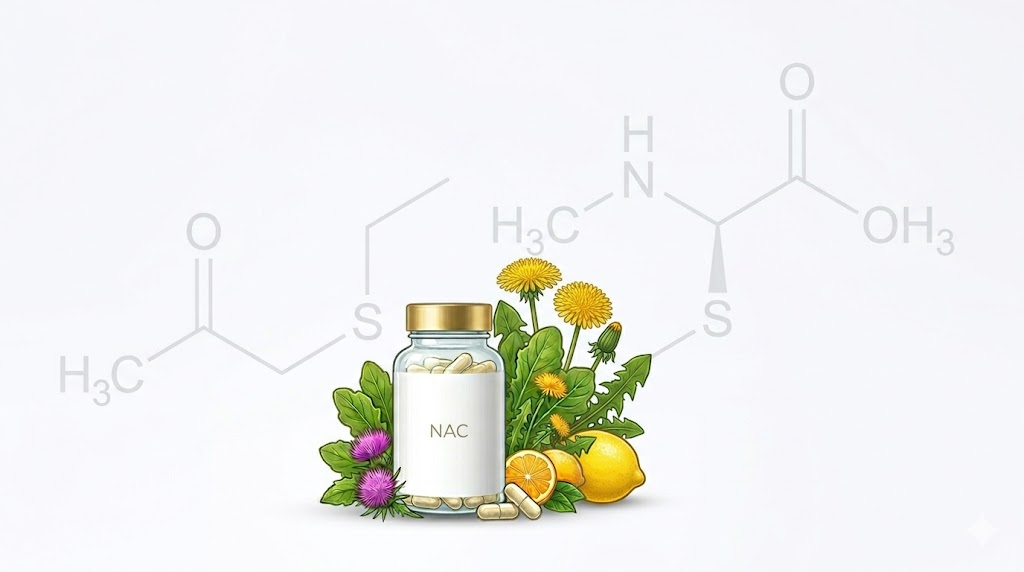
One of the most metabolically active organs in the human body is the liver, responsible for more than 500 vital biochemical functions, including detoxification, hormonal balance, fat metabolism, and nutrient metabolism.
However, contemporary lifestyle brings persistent stress on the functioning of the liver, in the form of:
- Environmental toxins
- Processed food
- Exposure to alcohol
- Inflammation
- Medications
All this eventually causes oxidative stress that may result in the reduced efficiency of the liver in the detoxification process. This is where the NAC liver detox supplement has gained wide recognition, not just as another detoxification trend, but also as an essential biochemical component necessary for antioxidant protection. According to Miduty, effective liver support goes beyond temporary detox and focuses on restoring the body’s internal antioxidant systems at a cellular level.
What is NAC and Why Does it Matter for Liver Health?
NAC (N-Acetylcysteine) is a stable and bioavailable form of the amino acid cysteine. Being absorbed, it quickly converts into cysteine, the key ingredient in the synthesis of glutathione: the main intracellular antioxidant.
According to research published in the National Institute of Health entitled “N-Acetylcysteine Improves Liver Function in Patients with Non-Alcoholic Fatty Liver Disease”, the lack of glutathione leads to decreased detoxification capabilities and increased vulnerability to liver damage.
However, the role of NAC in liver health goes far beyond “boosting antioxidants”.
The Role of NAC in Liver Protection
NAC supports liver function through multiple interconnected biochemical pathways, making its action multi-layered rather than single-target. These are:
1. Restoration of Rate-Limiting Step in Glutathione Production
Glutathione is made of three amino acids: glutamic acid, glycine, and cysteine. Among the three, cysteine is the most unstable and unavailable component during oxidative stress, causing a “bottleneck” effect, slowing down synthesis despite the presence of other necessary substrates.
NAC helps resolve this problem through:
- Providing stable cysteine precursors
- Increased cysteine concentration in cells
- Restoration of fast and efficient glutathione production
2. Enhancing Hepatic Redox Regulation (Stress Response Control)
The liver does not function on detox alone, it relies heavily on redox signalling, a system that determines how cells respond to stress.
In case of high oxidative stress:
- Cellular proteins get damaged
- Mitochondrial response slows down
- Inflammation becomes active
NAC helps control this process by ensuring proper intracellular thiol regulation, a process by which cells manage the balance of sulphur containing molecule between themselves and their surroundings, that:
- Prevents excessive oxidative signalling
- Reduces excess inflammation activation
- Enables proper functioning of the stressed cells
Simply speaking, NAC does not simply eliminate toxins, but rather helps liver cells manage their stress responses.
3. Protecting Mitochondria and Energy Preservation in Liver Cells
The liver is one of the most mitochondria-rich organs in the body, as the process of detoxification is highly energy-dependent. However, the toxins, alcohol, and other metabolites cause mitochondrial oxidative stress, reducing ATP synthesis.
NAC helps by:
- Reducing mitochondrial reactive oxygen species (ROS)
- Protecting mitochondrial membranes from oxidative damage
- Supporting sustained ATP production indirectly
- Preventing energy depletion in hepatocytes
This is critical as the modern lifestyle poses liver stress, is increasingly linked not just to toxins, but to mitochondrial dysfunction and cellular energy fatigue.
4. Improving the Effectiveness of Phase II Detoxification
Detoxification takes place in two phases:
- Phase I: Toxin activation and degradation
- Phase II: Conjugation and excretion
Glutathione is vital for Phase II detoxification. An increase in glutathione levels means that NAC indirectly improves:
- Toxin conjugation
- Pharmaceutical toxin degradation
- Reactive compound neutralisation
These processes make detoxification much more effective.
5. Prevention of Drug-Induced Liver Toxicity
The most compelling validation of the efficacy of NAc is its application in hospitals. NAC is often prescribed as an antidote for paracetamol poisoning, as excess amounts of the drug rapidly deplete glutathione and may lead to liver damage.
Studies have shown that:
- NAC helps replenish glutathione
- Prevention of hepatocyste death upon timely administration
- Reduced risk of acute liver failure by a substantial margin.
This emphasises NAC’s biological significance in protecting the liver from harm, beyond merely supplementing.
However, there are often questions like, “Is taking NAC for a longer period good for liver health?” From research conducted so far, it has been found that NAC can be safely taken by individuals in recommended amounts for a sustained period of time because NAC acts to support the natural antioxidant processes in the body without causing excess stimulation of the liver.
Why is NAC Liver Detox Becoming a Wellness Essential
A superior quality NAC liver detox supplement is becoming a key component of a contemporary wellness routine, as it targets the cellular and mitochondrial level. According to Miduty, a well-formulated liver support supplement should not only aid detoxification but also support glutathione production, mitochondrial health, and long-term cellular resilience.
Rather than focusing only on symptom-based treatments. Conventional detox targets symptomatic relief rather than addressing the root cause of liver damage. However, NAC aids in:
- Regeneration of antioxidants
- Cellular resilience
- Effectiveness of metabolic detoxification
- Energy sustenance of the liver
This makes it more aligned with physiological detoxification, rather than short-term detox trends.
NAC vs. Conventional Detoxification Methods
| Method | Action | Level of Effectiveness |
| Cleansing juices | Nutrient flush | Surface-level |
| Detoxifying herbal tea | Diuretic effect | Temporarily |
| NAC supplementation | Glutathione + mitochondrial + redox support | Cellular and systemic |
Who can Benefit from NAC?
- Individuals exposed to environmental toxins
- People with high oxidative stress lifestyles
- Those with poor dietary patterns
- Individuals focusing on proactive liver health
- People recovering from medication or toxin load
Conclusion Thoughts
NAC is not a conventional detox supplement, it is a multi-pathway biochemical regulator that supports liver health through glutathione restoration, cysteine availability correction, redox balance regulation, mitochondrial protection, and phase II detox optimisation.
Its clinical relevance further strengthens its position as one of the most scientifically validated compounds for liver support. NAc serves as a cell protector and not a rapid detox agent, which fits into the strategy of ensuring good liver health.